
Different Types of Houses in Abuja for Investors: A Complete Guide

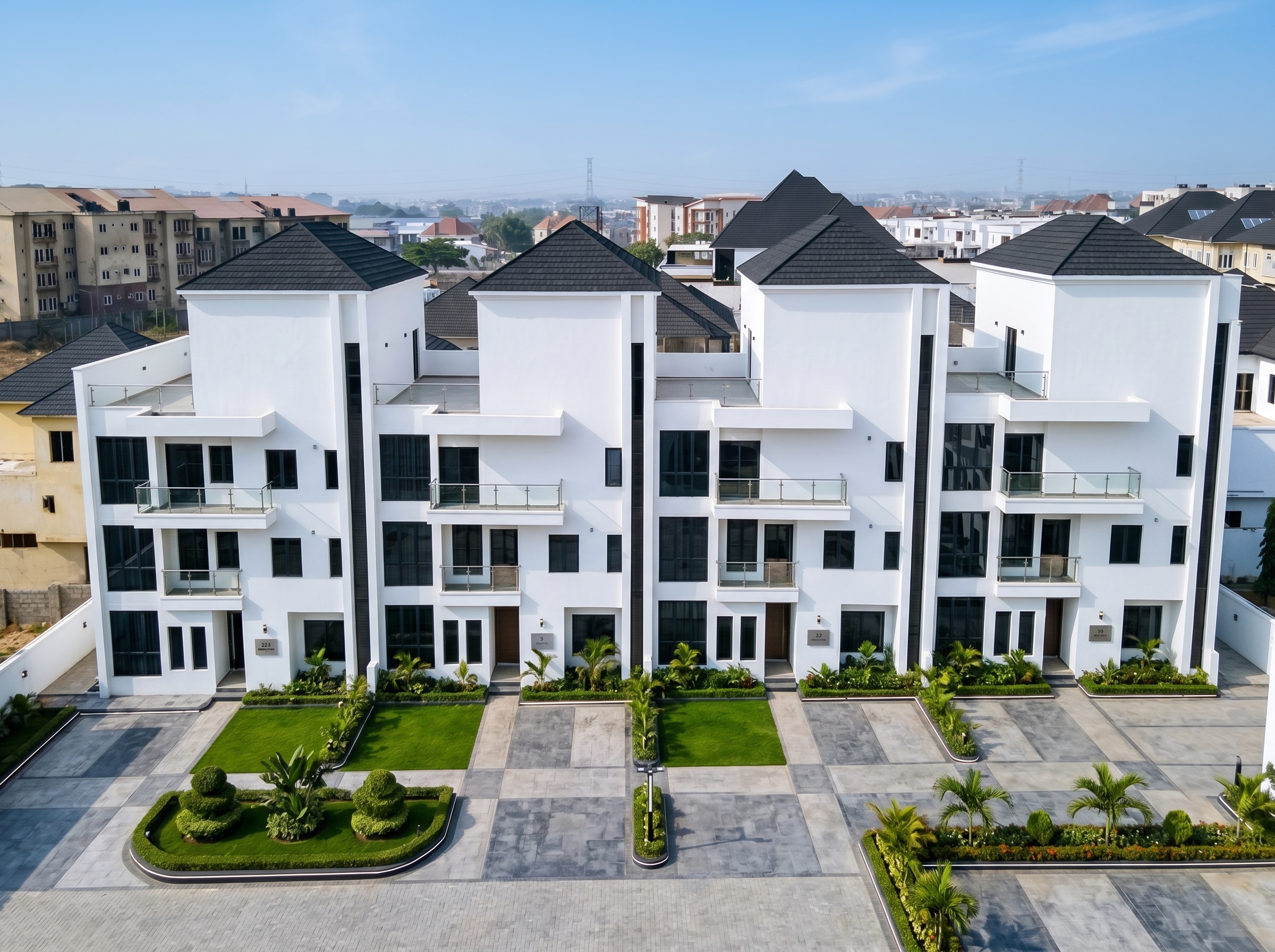
Different Types of Houses in Abuja for Investors: A Complete Guide Abuja offers a wide range of property options for both first‑time and experienced real estate investors. Whether you’re looking at terraced houses, semi‑detached units, flats, or apartments, you’ll find different types of houses in Abuja that fit your budget and meet your specific needs. As Nigeria’s capital city and the seat of power, Abuja is vibrant politically, economically, and culturally. For investors aiming to diversify their portfolios, real estate in Abuja presents a wealth of opportunities. But before you commit your money, it’s essential to understand the various residential property types available. Each comes with its own benefits, target tenant profile, maintenance demands, and potential returns. In this guide, we’ll walk you through the most common housing types in Abuja, their unique features, and why each might align with your investment goals. Detached Bungalows When you picture a traditional Nigerian home, you’re likely imagining a detached bungalow. These are single‑storey, free‑standing structures with four or more bedrooms, usually enclosed within their own fence, offering space for a garden, parking, and possibly staff quarters. This is one of the most common types of houses in Abuja. In Abuja, detached bungalows can be found both in developing suburbs like Jikwoyi and in mature districts such as Maitama. What makes bungalows attractive to investors and developers is their broad market appeal. People from all walks of life desire them – families seeking privacy, expatriate executives looking for easy ground‑floor living, and retirees wanting to avoid stairs. Because they occupy a generous land footprint, bungalows typically command higher rent per unit compared to apartments. However, they also require more upkeep – lawn care, fence repairs, and periodic repainting. From an investment standpoint, bungalows offer flexibility. You can lease the entire property to a single tenant or rent out individual rooms to students or young professionals. That room‑by‑room approach can boost your revenue, though it comes with extra management duties: more people to screen, different agreements to handle, and utility payments to coordinate. Semi‑Detached Houses Semi‑detached houses – often called side‑by‑side duplexes in some markets – consist of two units sharing a common central wall. Each side stands independently for different families, with separate entrances, power meters, and sometimes small gardens. In Abuja, developers in estates across Kubwa and Gwarinpa have embraced semi‑detached designs to optimise land use while still giving residents the feel of a house. These units strike a middle ground between bungalows and apartments. You get two rental incomes from one land purchase, while maintenance remains less intensive than running a full apartment block. Since each unit sits on its own mini‑plot, you avoid the complexity of multi‑storey building upkeep. Semi‑detached properties attract young couples, small families, and professionals who want affordable home‑style living. Because they occupy less land than bungalows, they often rent at lower prices – which broadens your tenant pool. They also offer privacy and yard space, unlike flats where outdoor breathing room can be limited. When considering this type of investment, keep the shared‑wall dynamic in mind. Soundproofing quality can affect tenant satisfaction, and you need clear agreements on exterior upkeep (roof repairs, boundary fencing, etc.). A good property manager will coordinate joint maintenance and split costs fairly between the two units. Terraced Houses Terraced houses – also known as row houses – consist of three or more units joined side by side, each with its own front door and a small rear yard. This design maximises narrow urban plots and has become increasingly popular in neighbourhoods around Abuja’s central districts. Terraced houses make the most of economies of scale. Building or acquiring a block of five terraces on a single plot can generate multiple rental incomes without the complexity and cost of high‑rise construction. Maintenance responsibilities are similar to those of semi‑detached houses but multiplied across several units – so hiring a reliable estate manager is key. Tenants in terraced houses often include corporate workers, mid‑level managers, and small business owners who appreciate a compact home with a sense of community. The door‑to‑door proximity fosters close relationships between neighbours while still preserving individual privacy. You can lease each unit separately or sell them off once they appreciate, helping you recover capital faster. While terraced houses can be very profitable, pay attention to estate regulations. Some gated communities enforce uniform exterior finishes, limits on extensions, and rules about shared driveways or walkways. Complying with those rules helps prevent disputes and penalties. Duplexes and Triplexes In Abuja’s denser areas, building upwards makes clear financial sense. Duplexes and triplexes deliver multiple levels of living space – sometimes in semi‑detached configurations or as stand‑alone designs. Savvy investors, in some cases, build duplexes with about four bedrooms per floor to maximise bed space for large families or corporate lodgings. The appeal of duplexes and triplexes lies in their vertical efficiency. On the same land that might hold a single bungalow, you can stack two or three units. Each floor can function as a self‑contained flat with a living room, kitchen, and bedrooms, complete with balconies offering panoramic views. This setup attracts a diverse range of tenants: companies seeking staff quarters, NGOs housing visitors, or extended families who want both proximity and privacy. These types of houses come with more responsibilities. Structural integrity must meet engineering standards, and you’ll need regular inspections of staircases, railings, drainage, and roofing. Power backup systems and water storage tanks are critical to install, which raises your initial capital investment. Security is also essential – safe access control to multiple floors, reliable intercoms or CCTV, and emergency exits are important when housing many tenants. Apartments and Flats Apartments range from studio flats to three‑bedroom units. They are typically within a gated compound and offer amenities such as standby generators, boreholes, perimeter fencing, and 24‑hour security. Investing in apartments allows you to serve a growing market of young professionals, expatriates, and students. Renters in this segment crave convenience – proximity to offices, supermarkets, schools, and leisure
How to Buy a New House in Abuja

How to Buy a New House in Abuja So you’ve saved up some money and you’re finally ready to turn your long‑held dream of owning a home in Abuja into reality. But where do you even start? Don’t worry – we’re here to help. This guide will show you how to buy your new house in Abuja with minimal stress and maximum confidence. From understanding the unique dynamics of the Abuja property market to navigating all the legal paperwork, every step requires careful planning. For a first‑time investor, the process can feel overwhelming. But you don’t have to take that bold step blindly. As you read on, you’ll discover a clear, actionable roadmap to ensure your dream of owning a house in Abuja becomes a reality – without nasty surprises. 1. Understand the Abuja Real Estate Market First Before you start viewing properties, it’s essential to get a solid grasp of how Abuja’s real estate market works. Abuja is not like Lagos or Port Harcourt. It’s a fast‑growing city with a mix of high‑end areas (such as Maitama and Asokoro) and more affordable neighbourhoods (like Gwarinpa and Lugbe). Location, infrastructure, and the developer’s reputation are just a few factors that cause prices to vary widely. Take time to read local property blogs (like this one), follow Abuja housing conversations on social media, and reach out to reputable real estate agents and companies. Once you’ve immersed yourself in market data, you’ll learn to spot a fair price and avoid paying premium rates for basic amenities. You’ll also notice how identical properties can have vastly different price tags based purely on location and infrastructure. 2. Set Your Budget and Financing Plan Now that you understand how prices swing across Abuja, let’s talk numbers. Setting a realistic budget is the backbone of your house‑hunting journey. Start by calculating the total cash you have available for: Down payment Legal fees Agent commissions Moving costs Then, determine how much you can comfortably afford each month if you plan to take a mortgage or a developer‑backed payment plan. 3. Developer Flexi‑Pay vs. Bank Mortgage Many Abuja developers offer flexible payment plans (flexi‑pay), where you might pay 30% upfront and spread the remaining balance over 12–24 months. A flexi‑pay scheme is often easier to qualify for than a bank mortgage, which typically requires a 30–40% down payment plus stringent documentation (payslips, tax returns, employment letters). However, flexi‑pay plans sometimes carry higher overall costs – the flexi‑pay price is not always the same as the outright purchase price. On the other hand, Nigerian banks such as First Bank, UBA, and Access Bank now offer longer‑term mortgage options of up to 15 years. Interest rates vary by bank and loan duration, so run the numbers carefully to see which option gives you a lower interest burden over time. 4. Research and Choose the Right Neighbourhood Abuja spans six area councils – Abuja Municipal (AMAC), Bwari, Gwagwalada, Kuje, Kwali, and the Federal Capital Territory (FCT) core areas. Each has its own character and price bracket. Narrow your search based on your lifestyle preferences and the property’s future potential. Ask yourself: Do you want a quiet suburb or a bustling community? Wuye and Gwarinpa are popular with families thanks to schools and shopping malls. The Central Business District and Maitama attract diplomats and executives. Traffic in Abuja is lighter than in Lagos, but peak hours can still stretch your commute. Living near the Nnamdi Azikiwe International Airport or along a major road gives you smoother connections – especially if you travel frequently. Also look for neighbourhoods with reliable power sources. Some estates have dedicated generators or solar setups. Water supply, waste management, and internet connectivity also vary from one area to another. 5. Engage a Trusted Real Estate Agent While some buyers prefer to go solo, a licensed real estate agent or company can save you from costly mistakes – and save you both time and money. A good agent will help you buy a new house in Abuja that is free from any known encumbrances. Because they know the Abuja market inside out, they’ll only show you properties that fit your criteria and budget. They’ll also use their market knowledge to negotiate a better price or more favourable terms on your behalf. A reputable agent or company will also help process your documents and ensure that the Right of Occupancy, Governor’s Consent, and survey plans are all in order before you commit. How to Ensure You’re Working with the Right Agent or Company Ask for referrals from friends who have recently bought a house in Abuja. Check online reviews on property forums, Facebook groups, and blogs like this one. Confirm their registration with the Estate Surveyors and Valuers Registration Board of Nigeria (ESVARBON). A genuine professional will be transparent about their commission and happy to share a portfolio of past transactions. The perfect agent or company is one that prioritises giving you excellent service above their own profit in the deal. 6. Inspect the Property Thoroughly and Make Payment Before you hand over any money, inspect the house from top to bottom. Don’t rush this stage – this is where most buyers miss hidden defects. If it’s a brand‑new home, check: Structural Quality: Look for cracks in walls, uneven floors, and signs of water seepage. Electrical and Plumbing: Test light switches, water pressure, drainage, and backup generator connections. Finishing and Fixtures: Ensure doors close properly, windows seal tightly, and tiles/granite slabs are free of chips. For off‑plan or under‑construction properties, visit the site regularly. Confirm that construction matches the advertised specifications (type of tiles, wardrobe designs, fence height, etc.). If every box is checked green, then go ahead and make the payment. 7. Complete Legal Transfer and Take Possession Once your payment is complete, follow these steps: Obtain Governor’s Consent: Your lawyer will apply on your behalf. This typically takes 6–8 weeks or more. Register the Property: Visit the Land Registry with the consent documents, sale agreement, and survey plan to register the title in your name.
First-Time Property Buyer in Abuja? Here Are 10 Questions You MUST Ask (2026 Guide)

10 Frequently Asked Questions By First-Time Property Buyers in Abuja If you’re about to buy your first home in the Federal Capital Territory, you probably have several questions on your mind. What are the most common concerns first-time property buyers in Abuja raise before making a decision? Why do those questions keep coming up? And most importantly, where can you find honest, practical answers? Whatever your worries may be, Perfect Shelter is here to support you every step of the way. To make your journey into property ownership smoother, we’ve put together ten frequently asked questions that will guide you through the process. We’ve explored each one in detail. By the time you finish reading, many of your doubts should be cleared – and you’ll have a much stronger grasp of Abuja’s real estate landscape. 1. Is now a good time to buy a home in Abuja? Abuja boasts one of the most dynamic real estate markets in Nigeria. In fact, we believe there’s no better time to invest than right now. The numbers tell a compelling story. In 2023, Abuja’s metro area population reached 3.84 million – a 5.15% increase from 2022, when the population stood at 3.652 million (a 5.43% rise from 2021). These figures speak for themselves. Abuja isn’t just the Federal Capital Territory; it’s home to embassies, top-tier institutions, and a growing community of people seeking a better quality of life. Property prices here are among the highest in the country – for very good reasons. Investing in this goldmine makes sense today more than ever. 2. How much does a house cost in Abuja? Property prices in Abuja vary significantly depending on location, size, and available amenities. High‑end neighbourhoods naturally come with higher price tags. According to Property Pro, the average price for a house in Abuja is around ₦170 million. The most expensive listings go up to ₦3.21 billion, while more affordable options start at about ₦12 million. At Kyami Estate, for example, we currently have properties priced at ₦10 million and ₦15 million. 📞 Call us today to schedule an inspection: +234 704 244 1090. 3. Can foreigners buy property in Abuja? Yes, but there are specific regulations that foreign nationals must follow when buying property in Nigeria. For instance, foreign investors are generally required to register with the Central Bank of Nigeria. It’s essential to understand these rules before committing. We strongly recommend consulting legal experts or relevant government authorities to ensure full compliance with all requirements. 4. How is the housing market right now in my specific area? The real estate market can behave very differently from one Abuja neighbourhood to another. So the answer really depends on which area you’re targeting. Key factors to consider include ongoing infrastructure projects, how accessible the area is, and the availability of community amenities (schools, hospitals, markets). To get a clear picture, browse trusted online property platforms, join real estate forums, and keep an eye on local news. 5. What financing options are available to me? First-time buyers in Abuja can explore several financing routes: Make sure you understand the interest rates, repayment terms, and eligibility criteria for each option. Choose the one that best matches your current financial situation. 6. What are the additional costs I should budget for? The listed price of a property is rarely the final amount you’ll pay. Be prepared for extra costs such as: Knowing these potential expenses upfront helps you avoid unpleasant surprises later. Always demand transparency from sellers and developers about all associated costs before signing anything. 7. How long does the entire property buying process take? There’s no fixed timeline – the duration can vary widely. Legal procedures, document verification, and price negotiations all influence how quickly you can close the deal. The best way to get a realistic estimate is to work with experienced real estate professionals. They can help you navigate the process efficiently and avoid unnecessary delays. 8. What should I look for during a property inspection? A physical inspection is absolutely essential before you finalise any purchase. We cannot stress this enough. During your visit, pay attention to: Also ensure the property meets your personal expectations in terms of space, layout, and surroundings. For land purchases, check the topography and confirm whether the area is prone to flooding. 9. What legal protections do I have as a buyer? As a buyer, your legal rights are critical – but Nigerian real estate law largely follows the principle of caveat emptor (“let the buyer beware”). This means the responsibility for doing thorough checks rests mainly on you. You generally cannot claim damages from a seller for defects that a reasonable inspection would have uncovered. That’s why it’s vital to: 10. How can I protect myself from property fraud? Property scams have become more common as demand for real estate in Abuja grows. To safeguard yourself: Final Thoughts Embarking on your first property purchase in Abuja is an exciting milestone – but it also requires careful thought and research. By addressing these ten frequently asked questions, first‑time property buyers in Abuja can move forward with greater confidence. Put these tips into practice, lean on trusted professionals, and you’ll be well on your way to a smooth and successful transition into property ownership. Perfect Shelter is always here to help you make informed, confident decisions. Happy house hunting! Market Analysis Risk Management Landing Banking Financial Consultation Planning & Conductiong Bonds & Commodities Business Strategy How can we help you? Reach out to us through any of our channels to get started Contact Us
Hello world!
Welcome to WordPress. This is your first post. Edit or delete it, then start writing!