
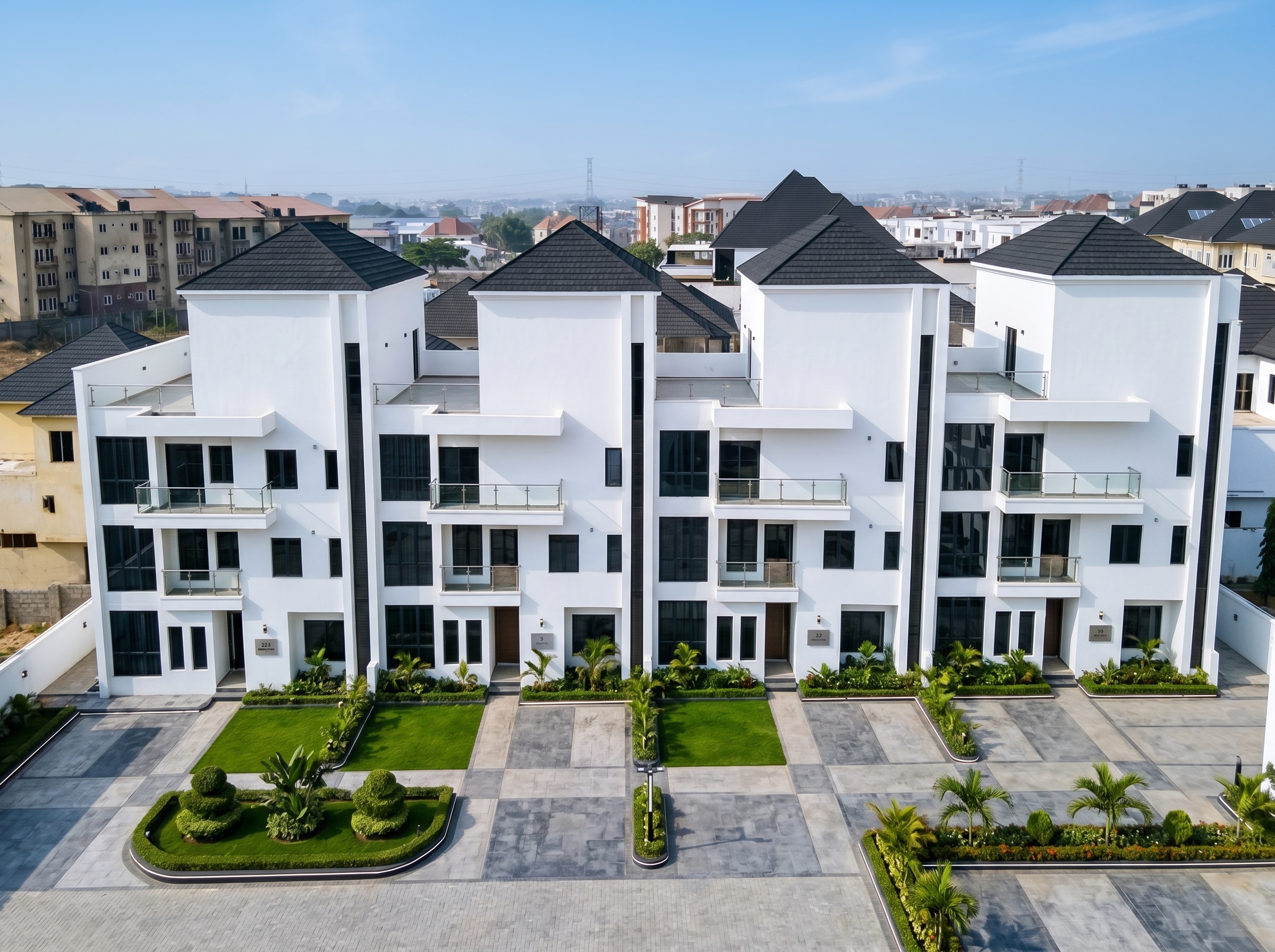
10 Frequently Asked Questions By First-Time Property Buyers in Abuja
If you’re about to buy your first home in the Federal Capital Territory, you probably have several questions on your mind. What are the most common concerns first-time property buyers in Abuja raise before making a decision? Why do those questions keep coming up? And most importantly, where can you find honest, practical answers?
Whatever your worries may be, Perfect Shelter is here to support you every step of the way.
To make your journey into property ownership smoother, we’ve put together ten frequently asked questions that will guide you through the process. We’ve explored each one in detail. By the time you finish reading, many of your doubts should be cleared – and you’ll have a much stronger grasp of Abuja’s real estate landscape.
1. Is now a good time to buy a home in Abuja?
Abuja boasts one of the most dynamic real estate markets in Nigeria. In fact, we believe there’s no better time to invest than right now.
The numbers tell a compelling story. In 2023, Abuja’s metro area population reached 3.84 million – a 5.15% increase from 2022, when the population stood at 3.652 million (a 5.43% rise from 2021). These figures speak for themselves.
Abuja isn’t just the Federal Capital Territory; it’s home to embassies, top-tier institutions, and a growing community of people seeking a better quality of life. Property prices here are among the highest in the country – for very good reasons. Investing in this goldmine makes sense today more than ever.
2. How much does a house cost in Abuja?
Property prices in Abuja vary significantly depending on location, size, and available amenities. High‑end neighbourhoods naturally come with higher price tags.
According to Property Pro, the average price for a house in Abuja is around ₦170 million. The most expensive listings go up to ₦3.21 billion, while more affordable options start at about ₦12 million. At Kyami Estate, for example, we currently have properties priced at ₦10 million and ₦15 million.
📞 Call us today to schedule an inspection: +234 803 524 7439.
3. Can foreigners buy property in Abuja?
Yes, but there are specific regulations that foreign nationals must follow when buying property in Nigeria. For instance, foreign investors are generally required to register with the Central Bank of Nigeria.
It’s essential to understand these rules before committing. We strongly recommend consulting legal experts or relevant government authorities to ensure full compliance with all requirements.
4. How is the housing market right now in my specific area?
The real estate market can behave very differently from one Abuja neighbourhood to another. So the answer really depends on which area you’re targeting.
Key factors to consider include ongoing infrastructure projects, how accessible the area is, and the availability of community amenities (schools, hospitals, markets). To get a clear picture, browse trusted online property platforms, join real estate forums, and keep an eye on local news.
5. What financing options are available to me?
First-time buyers in Abuja can explore several financing routes:
- Traditional mortgages from banks
- Bank loans (personal or real‑estate specific)
- Developer financing schemes (payment plans directly from property developers)
Make sure you understand the interest rates, repayment terms, and eligibility criteria for each option. Choose the one that best matches your current financial situation.
6. What are the additional costs I should budget for?
The listed price of a property is rarely the final amount you’ll pay. Be prepared for extra costs such as:
- Legal fees
- Survey and land registration fees
- Stamp duties and other taxes
Knowing these potential expenses upfront helps you avoid unpleasant surprises later. Always demand transparency from sellers and developers about all associated costs before signing anything.
7. How long does the entire property buying process take?
There’s no fixed timeline – the duration can vary widely. Legal procedures, document verification, and price negotiations all influence how quickly you can close the deal.
The best way to get a realistic estimate is to work with experienced real estate professionals. They can help you navigate the process efficiently and avoid unnecessary delays.
8. What should I look for during a property inspection?
A physical inspection is absolutely essential before you finalise any purchase. We cannot stress this enough.
During your visit, pay attention to:
- Structural issues (cracks, leaks, foundation problems)
- Quality of construction and finishing
- Whether the building follows approved plans
Also ensure the property meets your personal expectations in terms of space, layout, and surroundings. For land purchases, check the topography and confirm whether the area is prone to flooding.
9. What legal protections do I have as a buyer?
As a buyer, your legal rights are critical – but Nigerian real estate law largely follows the principle of caveat emptor (“let the buyer beware”). This means the responsibility for doing thorough checks rests mainly on you.
You generally cannot claim damages from a seller for defects that a reasonable inspection would have uncovered. That’s why it’s vital to:
- Conduct your own due diligence
- Cross‑reference all documents to ensure consistency
- Work with an experienced real estate lawyer who can guide you through the legal maze and protect you from potential scams
10. How can I protect myself from property fraud?
Property scams have become more common as demand for real estate in Abuja grows. To safeguard yourself:
- Only use professionals with verifiable credentials (lawyers, surveyors, agents).
- Never rush a purchase, even if someone pressures you with “miss out on this deal” tactics.
- If an offer sounds too good to be true, step back and evaluate carefully.
- Always verify every document. (For a quick checklist of documents to request before buying property in Abuja, see our related guide.)
Final Thoughts
Embarking on your first property purchase in Abuja is an exciting milestone – but it also requires careful thought and research. By addressing these ten frequently asked questions, first‑time property buyers in Abuja can move forward with greater confidence.
Put these tips into practice, lean on trusted professionals, and you’ll be well on your way to a smooth and successful transition into property ownership.
Perfect Shelter is always here to help you make informed, confident decisions. Happy house hunting!